E-CLUB PROGRAM
PRESIDING TODAY IS: Bonnie Branciaroli, Secretary/Treasurer
 Ding! We’re now in session.
Welcome all – visitors, fellow Rotarians and guests alike to this E-Club program!
Remember the Four-Way Test!
At the beginning of each meeting we remind ourselves of the The Four-Way Test. Therefore, please remember to ask yourself always . . .
Of the things we think, say or do:
- Is it the TRUTH?
- Is it FAIR to all concerned?
- Will it build GOODWILL and BETTER FRIENDSHIPS?
- Will it be BENEFICIAL to all concerned?
Reflective Moments
American activist and founder of Women's History Research Center
Leadership Quotes
“International Women’s Day (March 8) is a global day celebrating the social, economic, cultural and political achievements of women. The day also marks a call to action for accelerating gender parity.”
April 15, 2026. Email: dmshreve12@gmail.com
Conference: May 8-10, 2026 at Jackson's Mill.
April 22, 2026 – Ascend-WV Morgantown and local Rotary Clubs,
Camp Dawson, Kingwood, WV. See the District website for more info.
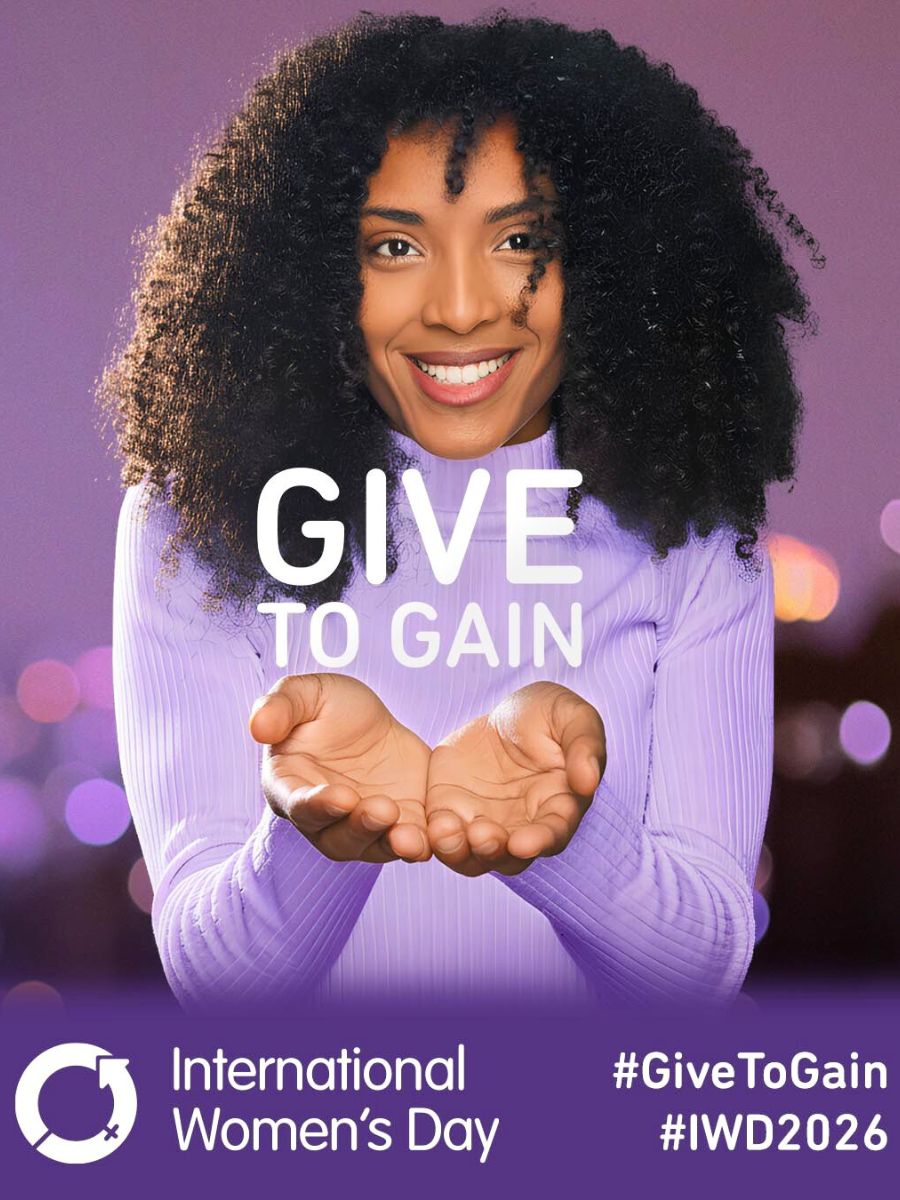
International Women's Day: March 8, 2026
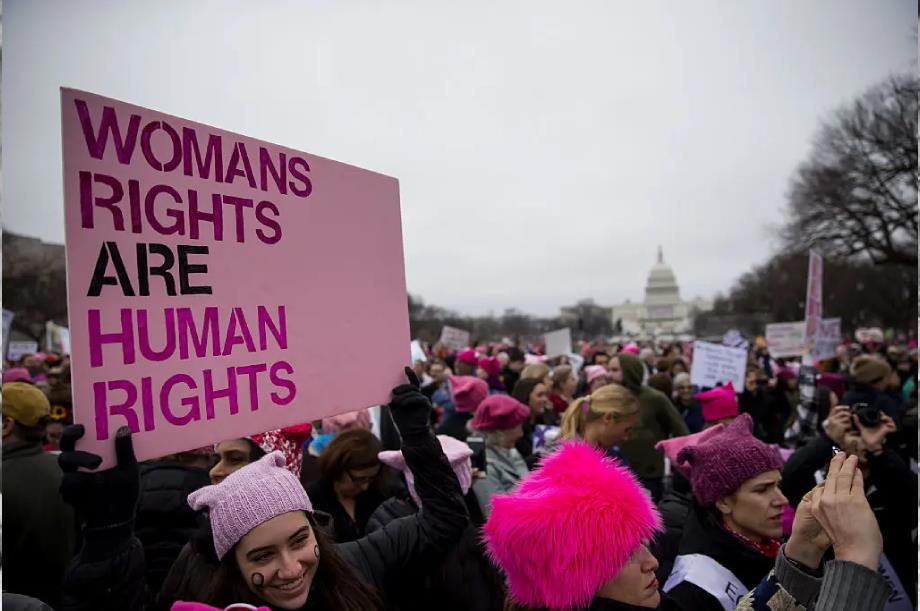
In 2026, International Women’s Day (IWD) marks an extraordinary milestone: 115 years of collective action, advocacy, and progress toward gender equality. What began in the early 20th century as a movement demanding fair wages, safer working conditions, and the right to vote has grown into a global day of recognition, reflection, and renewed commitment.
The IWD originated from early 20th-century labor movements in North America and Europe, focusing of women's rights, suffrage, and better working conditions.
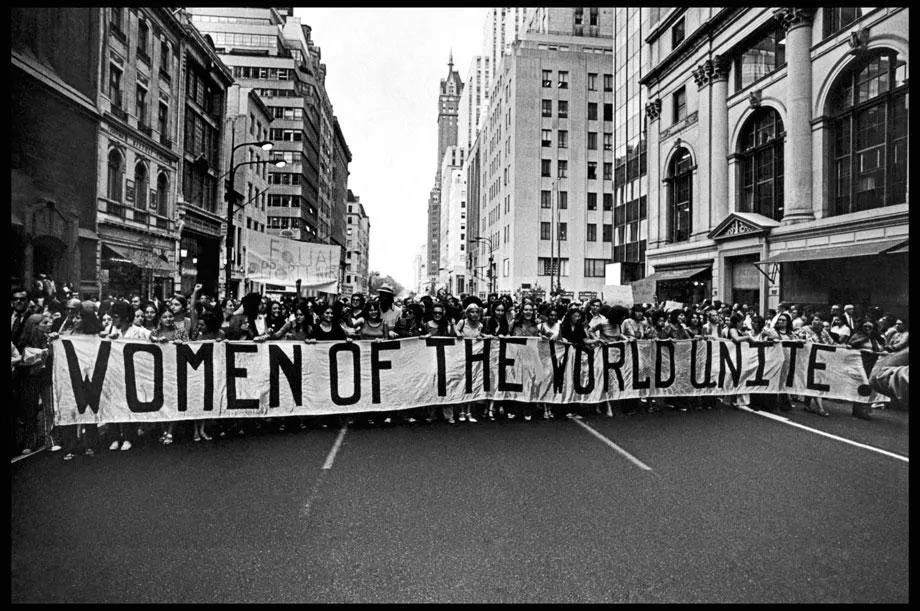
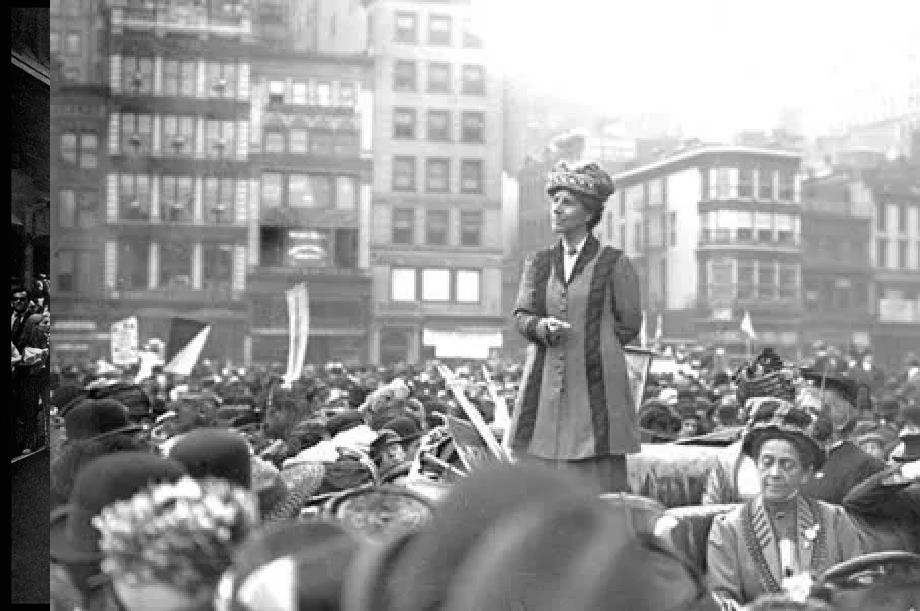
International Women’s Day began as a series of demonstrations promoting suffragist and social equality in New York City in 1909. Represented by thousands of American women at the time, the movement quickly gained momentum and caught on in Europe and then Russia.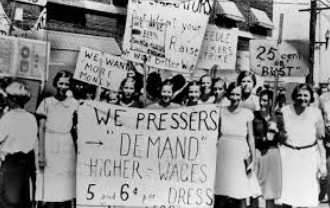
It was established globally after a 1910 proposal by Clara Zetkin, who helped develop the social-democratic women's movement in Germany from 1891 to 1917. The date later aligned with the 1917 Russian women's strike for "bread and peace," defying authorities to demand an end to WWI, food shortages, and Tsarism. This demonstration ignited the Russian Revolution, leading to the Tsar's abdication within days.
he United Nations officially recognized the date of March 8 for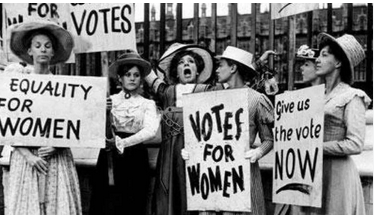
International Women's Day in 1977.
International Women's Day had been largely forgotten in the United States by the late 1960s, before an activist called Laura X (born Laura Rand Orthwein, Jr.) organized a march in Berkeley, California, on International Women's Day in 1969.
The march led to the creation of The Women's History Research Center, a central archive of the women's movement from 1968 to 1974. Laura X also thought it unfair for half the human race, meaning women, to have only one day a year and called for National Women's History Month to be built around International Women's Day.
The Women's History Research Center collected nearly one million documents on microfilm, and provided resources and records of the women's liberation movement that are now available through the National Women's History Alliance, which carried on their ideas, including successfully petitioning Congress to declare March as Women's History Month.
In 1980, the National Women’s History Project led a coalition of women’s groups that successfully lobbied President Jimmy Carter to issue a proclamation recognizing National Women’s History Week. National Geographic report. It took until 1987 for Congress to pass a law designating March as Women’s History Month.
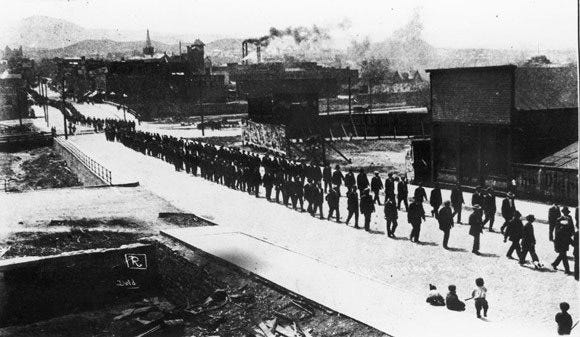
Movements like International Women’s Day were seen as too socialist and were abandoned during this time.
However, over more than a century, IWD has helped to keep the drive of transformative change alive. From the 1970s to 2016 women have secured legal rights once denied, entered professions previously closed to them, and reshaped leadership across politics, business, science, sport, and culture. Each generation has built on the courage of those before it, pushing boundaries and redefining what is possible. However, the past decade has seen a backward momentum in American women's rights to health care and gender parity.
Although there is no mention of socialism in the mission or goals of IWD, its historic connections to labor organizing continue to prevent Americans from getting on board to prioritize women’s rights over century-old political differences. It’s a damning sentence, and the message is clear: Politics trump equality.
Yet celebrating 115 years is not just about looking back. It is also about facing the present with clarity and urgency. Gender inequality persists in many forms: pay gaps, under representation in leadership, gender-based violence, and unequal access to education and healthcare. Progress has been real, but it has not been equal, and it has not been finished.
When Women Thrive, We All Rise
IWD serves as a powerful reminder that equality is not a “women’s issue” alone. It is a social, economic, and human rights imperative that benefits everyone. When women thrive, communities prosper, innovation accelerates, and societies become more just and resilient.